Berberine for Weight Loss: Evidence, Dosage and Honest Expectations
Quick Answer: Does Berberine Work for Weight Loss?
Berberine for weight loss produces a modest effect, roughly 2 to 4 percent body-weight loss over about twelve weeks in studies, working mainly through blood sugar and metabolism rather than appetite. It is not "Nature's Ozempic," which averages far more under medical care. Typical dosing is around 500 mg two to three times daily with meals.
- Modest, not miraculous — expect single-digit percentages, not GLP-1 results.
- Dose it with food — split doses limit the common digestive upset.
- Check interactions first — berberine affects drug-processing enzymes and blood sugar.

Berberine is having a moment. Roughly 40,500 people a month now search for berberine for weight loss, the interest is still climbing, and a single viral nickname — "Nature's Ozempic" — is doing most of the marketing. That nickname is also the problem, because it promises something the evidence does not deliver. This guide is the straight-talk version: what berberine actually is, what the studies really show, how it is dosed, the side effects and drug interactions that matter, and where a fibre-first product like SlimTide fits for people who want a gentler, better-tolerated route to the same goal. Nothing here diagnoses, treats, cures or prevents any condition, and berberine is not a substitute for medical care.
What berberine is, and how it is meant to work
Berberine is a bitter yellow compound extracted from several plants, including barberry, goldenseal and Oregon grape, and it has a long history in traditional medicine. In modern research it is studied mostly for its metabolic effects. The leading explanation is that berberine activates an enzyme called AMP-activated protein kinase, often described as a cellular "energy sensor," which influences how cells handle glucose and fat. In practice, the strongest and most consistent findings for berberine are around blood-sugar and cholesterol markers, with weight change appearing as a smaller, secondary effect rather than the headline one.
That distinction matters. Berberine is not primarily an appetite suppressant, and it does not work like the GLP-1 medicines it is constantly compared to. It nudges metabolism at the cellular level, and any weight change tends to be a downstream consequence of that, alongside diet and activity. Understanding the mechanism up front is the best defence against the inflated expectations the nickname creates.
What the evidence on berberine for weight loss actually shows
Here is the part the viral posts skip. Reviews of berberine trials for weight typically report an average reduction of about 2 to 4 percent of body weight over roughly twelve weeks — meaningful for some people, but firmly in the modest range, and often intertwined with the diet changes made during the studies. For a 200-pound person, that is in the region of four to eight pounds over three months, not the transformation the nickname implies. The studies are also often small, short and varied in quality, which is a further reason to hold expectations in check.
Set that against the comparison everyone reaches for. GLP-1 medicines such as semaglutide have produced average weight reductions closer to 14 to 17 percent over a longer period, under medical supervision, in large trials. The gap is not a rounding error; it is the difference between a supplement with a mild metabolic effect and a prescription medicine designed for weight management. Both can have a place, but they are not interchangeable, and pretending otherwise is how people end up disappointed.
| Option | Typical weight change in studies | Main mechanism | Access & oversight |
|---|---|---|---|
| Berberine | ~2–4% over ~12 weeks | Cellular metabolism (AMPK), blood sugar | Over the counter; check interactions |
| GLP-1 medicines (e.g. semaglutide) | ~14–17% over a longer period | Appetite regulation via gut hormones | Prescription; medically supervised |
| Fibre / appetite control | Modest, diet-dependent | Fullness; slowed digestion | Over the counter; gentle profile |
"Nature's Ozempic" is a marketing line, not a medical equivalence. Berberine is a modest metabolic supplement. Ozempic is a prescription medicine. Any page that blurs the two is selling the nickname, not the numbers.
Berberine dosage: how it is used in studies
The dosing that appears in most berberine research is a total of around 1,000 to 1,500 milligrams a day, divided into two or three doses of roughly 500 milligrams and taken with meals. There is a practical reason for splitting it: berberine clears the body relatively quickly, so a single large dose is neither better absorbed nor better tolerated than smaller ones spread across the day. Taking it with food also blunts the digestive upset that is its most common complaint. Sensible practice is to start at the lower end, see how your system responds, and build up only if needed — never treating a bigger dose as a shortcut, because more berberine mostly means more stomach trouble, not more results. Because it interacts with several medications, the dose should be confirmed with a doctor or pharmacist before starting.
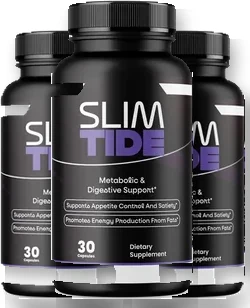
Want a gentler, better-tolerated route?
If berberine's digestive side effects or drug interactions put you off, a fibre-first approach is worth a look. SlimTide pairs chicory root inulin and potato resistant starch with three live strains for appetite support, each printed at its own dose. It is not a berberine product and does not claim to be — the official store carries the current panel, the guarantee and the genuine product.
See the official storeSide effects and drug interactions you cannot ignore
Berberine is generally described as well tolerated at studied doses, but "well tolerated" is not the same as "harmless," and this is the section that deserves the most attention. The everyday side effects are digestive: cramping, diarrhoea, constipation, gas and general stomach upset, which is precisely why the dose is split and taken with food. Those usually ease as your system adjusts, but for some people they are the reason they quit.
The interactions are the more serious concern. Berberine affects the CYP3A4 and CYP2D6 enzyme pathways, which your body uses to process a large number of common medications, so it can raise or lower the levels of those drugs in ways that matter. It can also lower blood sugar, which means combining it with diabetes medication requires medical oversight to avoid pushing levels too low. It is not recommended during pregnancy or breastfeeding. The single most important sentence in this whole guide is this: if you take any regular medication, speak to a doctor or pharmacist before starting berberine, because this is not an ingredient where the interactions are theoretical.

Where berberine fits — and where a fibre approach fits instead
None of this makes berberine worthless. For someone without medication conflicts, who tolerates it and keeps their expectations at the modest level the evidence supports, it can be a reasonable part of a metabolic and dietary plan. The problems arise only when it is sold as a needle-free miracle, taken without checking interactions, or expected to work without any change to diet or activity.
But it is not the only honest option, and for a lot of people it is not the easiest one. If berberine's digestive side effects or its interaction profile give you pause, a fibre-first product sidesteps both concerns while working on a different, gentler lever: fullness. SlimTide is built around chicory root inulin and potato resistant starch — fermentable fibres with human evidence for increasing satiety — plus three live strains, each listed at its own dose. It is emphatically not a berberine supplement and this journal will not pretend it does what berberine does; it simply offers a better-tolerated route to eating a little less. For the fuller picture on that mechanism, our rundown of a natural appetite suppressant that actually works covers the fibre evidence, and if you are weighing supplements against medical options, our comparison of prescription versus natural weight loss lays out the trade-offs without the hype.
Three myths about berberine, cleared up
Myth one: it is Ozempic in a capsule. It is not. Different mechanism, different magnitude, different oversight. Berberine's studied effect is a fraction of what GLP-1 medicines achieve, and treating them as equivalent is the fastest route to disappointment.
Myth two: natural means no interactions. Berberine is one of the clearest counterexamples going. Its effect on the CYP3A4 and CYP2D6 pathways is exactly why "natural" tells you nothing about safety. A plant compound can still change how your medication behaves.
Myth three: more will work faster. Because berberine clears quickly and irritates the gut, larger single doses buy you side effects, not speed. The studied approach — split doses with food, over about twelve weeks — is the one with evidence behind it.
How to decide, without the hype
If you are considering berberine, start with the one non-negotiable: check your medications with a doctor or pharmacist. Then set your expectations to the evidence — a modest, gradual effect over about three months, on top of a calorie-controlled diet and regular activity, not instead of them. Choose a product that prints its berberine dose clearly rather than hiding it in a blend, start at the lower end, take it with meals, and give it a real trial before judging it. And if the interaction list, the digestive side effects or the sheer number of caveats leave you cold, remember that a transparent, fibre-first appetite approach is a legitimate, gentler alternative that asks far less of your medicine cabinet. To understand the tolerability trade-offs across the whole category first, our plain guide to common weight loss supplement side effects is a useful companion read.
Common questions
How much berberine should I take for weight loss?
Most studies use a total of around 1,000 to 1,500 milligrams a day, split into two or three doses of about 500 milligrams taken with meals. Berberine is cleared from the body fairly quickly, which is why it is divided across the day rather than taken all at once, and taking it with food helps limit the digestive upset it commonly causes. Start at the lower end to see how you tolerate it, and never treat a higher dose as a shortcut to faster results. Because berberine interacts with several medications, confirm the dose with a doctor or pharmacist before you begin.
Is berberine really 'Nature's Ozempic'?
No, and the nickname is misleading. Berberine and GLP-1 medicines such as semaglutide work through different mechanisms and produce very different results. In trials, berberine is associated with roughly 2 to 4 percent body-weight loss over about twelve weeks, while GLP-1 medicines have produced averages closer to 14 to 17 percent over a longer period under medical supervision. Berberine is a supplement with modest, mostly metabolic effects, not a substitute for a prescription medicine. Calling it 'Nature's Ozempic' sets expectations the evidence cannot meet.
What are the side effects of berberine?
The most common side effects are digestive: cramping, diarrhoea, constipation, gas and stomach upset, which is why berberine is usually split into smaller doses taken with food. More importantly, berberine can interact with medications because it affects the CYP3A4 and CYP2D6 enzyme pathways your body uses to process many drugs, and it may lower blood sugar, so combining it with diabetes medication needs medical oversight. It is not recommended during pregnancy or breastfeeding. Anyone on regular medication should speak to a doctor or pharmacist before starting berberine.
How long does berberine take to work for weight loss?
Berberine works slowly. Most trials that report weight or metabolic changes run for about twelve weeks, and the effect is gradual rather than something you notice in the first fortnight. Any early change is far more likely to reflect the diet and activity changes made at the same time than the supplement itself. Give it a consistent trial of around three months at a studied dose, alongside a calorie-controlled diet, before deciding whether it is doing anything worth paying for, and stop if it causes side effects you cannot tolerate.
Related reading
References
General information, not medical advice. These statements have not been evaluated by the Food and Drug Administration, and no dietary supplement is intended to diagnose, treat, cure or prevent any disease. Berberine can interact with medications and affect blood sugar; speak to a qualified healthcare professional before starting it or any supplement, especially if you are pregnant, nursing, taking medication or managing a health condition.
See the official SlimTide store
Affiliate link. Slimtidea Fibre Journal earns a commission on purchases made through it, at no extra cost to you. We are not the manufacturer.