Best Weight Loss Pills of 2026: An Honest Buyer's Guide
Quick Answer: What Are the Best Weight Loss Pills?
The best weight loss pills are the transparent ones you can actually verify: products that print every ingredient with its dose, skip stimulant megadoses, and lean on fibre or appetite-control mechanisms with human evidence behind them. Prescription medicines lead on raw results but need a doctor. For an everyday supplement, choose by evidence, not hype.
- Rank by transparency — a full-dose label beats any proprietary blend or five-star badge.
- Expect modest, slow effects — supplements support a calorie-controlled diet, they do not replace it.
- Match the pill to your body — check interactions, and ask a pharmacist if you take medication.

Search for the best weight loss pills in 2026 and you will hit a wall of ranked lists, five-star badges and before-and-after photos, almost all of them ordered by affiliate commission rather than by anything you could defend to a pharmacist. About 18,100 people a month look for that exact phrase, and roughly 110,000 a month search for weight loss pills more broadly, which is a lot of demand chasing a category where the research is genuinely mixed. This guide takes the unglamorous route. It ranks options by three things you can check yourself — evidence, transparency and value — and it is honest about where a supplement helps, where it does nothing, and where the only real answer is a doctor.
Nothing on this page diagnoses, treats, cures or prevents any condition, and no pill does the work of a calorie deficit and regular movement. What a well-chosen product can do is make that deficit a little easier to hold, mostly by taking the edge off hunger. That is the frame for everything that follows.
How we ranked the best weight loss pills
Three filters, applied in order. The first is evidence: is there human trial data for the actual mechanism, at a dose that resembles what the product delivers? A single mouse study or a testimonial does not count. The second is transparency: does the label print each ingredient with its milligram amount, or does it hide everything inside a "proprietary blend" so you cannot tell whether the useful ingredient is present at 2 grams or 20 milligrams? The third is value: cost per served day, weighed against the guarantee and the strength of the evidence, not against the sticker price alone.
A product that clears all three is worth considering. One that fails the transparency filter is disqualified regardless of how good the marketing looks, because a blend you cannot read is a blend you cannot compare. That single rule removes most of the products in those commission-ranked lists, which is exactly why they never apply it.
The categories of weight loss pill in 2026
It helps to stop thinking about individual brands and start thinking about categories, because within each category the products are more alike than the packaging admits. There are broadly four.
Prescription GLP-1 and related medicines. These are the genuine heavyweights of the moment, with published trials showing double-digit percentage weight loss over a year for many people. They are medicines, prescribed and monitored by a clinician, with real side effects and real costs, and they are outside the scope of any supplement comparison. If your situation warrants them, that is a conversation with your doctor, not a purchase from a blog.
Thermogenic "fat burners." Usually stimulant-driven — high-dose caffeine, sometimes green tea extract, sometimes botanicals with thinner evidence. They can raise energy expenditure a little and blunt appetite for a while, but the effect is small, tolerance builds fast, and the stimulant load is where most of the safety complaints in this category come from.
Fat and carbohydrate blockers. These aim to reduce how much you absorb. The evidence is uneven and the side effects, particularly for fat blockers, are the sort that make people quit within a fortnight.
Fibre and appetite-control supplements. The quietest category and, for a lot of people, the most sensible one. Soluble and fermentable fibres expand and slow digestion, which increases fullness and can trim how much you eat at the next meal. The effect is modest and it is not GLP-1 territory, but the mechanism is real, the evidence exists, and the safety profile is gentle.
What actually works, category by category
Here is the same information as a comparison, because seeing the categories side by side makes the trade-offs obvious. Read the evidence column first and the marketing last.
| Category | How it is meant to help | Evidence in people | The honest caveat |
|---|---|---|---|
| Prescription GLP-1 medicines | Powerful appetite regulation | Strong, double-digit loss in trials | Doctor-managed only; side effects and cost |
| Thermogenic fat burners | Raise energy use, blunt hunger | Small, short-lived, tolerance builds | Stimulant load drives most complaints |
| Fat / carb blockers | Reduce absorption of calories | Uneven; modest at best | Digestive side effects end many trials early |
| Fibre & appetite control | Increase fullness, slow digestion | Plausible; modest but real | Works only alongside a calorie deficit |
The uncomfortable truth of this whole category is that the pill is never the mechanism. The mechanism is eating a little less, and the best a supplement can do is make eating a little less feel a little easier. Judge every product by that standard and most of the noise falls away.
Prefer the fibre-first, appetite-control route?
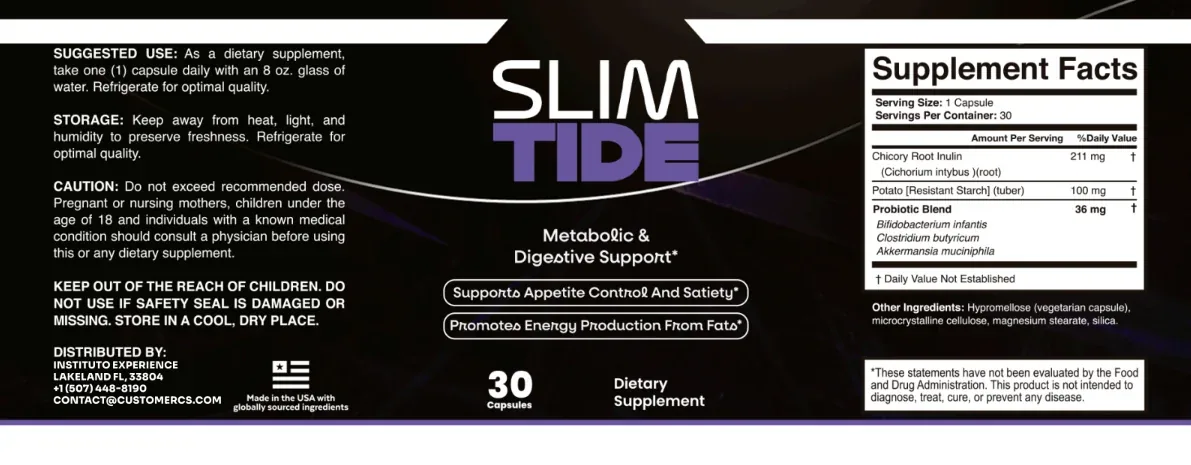
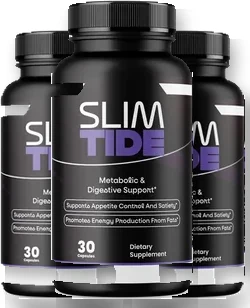
SlimTide is an adults-only daily capsule built around chicory root inulin and potato resistant starch, two fermentable fibres with a fullness mechanism, paired with three live strains. Every ingredient is printed at its own dose, and the official store carries the current panel, the guarantee terms and the genuine product.
See the official storeWhere a natural fibre pick like SlimTide fits
If prescription medicine is not for you and the stimulant category makes you jittery, the fibre-and-appetite-control lane is where an everyday product earns its keep. SlimTide sits squarely in it. Rather than chasing a thermogenic buzz, it uses chicory root inulin and potato resistant starch — fermentable fibres that draw in water, slow gastric emptying and feed the gut microbes that produce satiety-related signals. The point is not a dramatic metabolic override; it is a steadier appetite so the calorie-controlled plate you already planned is easier to actually eat.
It passes the transparency filter, which is the reason it is here rather than a hundred louder brands. Each fibre and each strain is printed with its own amount, so you can compare it against the research instead of taking a blend on faith. It is not magic, and this journal has never pretended a fibre capsule performs like a prescription medicine. What it is, is honest, checkable and gentle — three words that describe very few products in a search for the best weight loss pills. For a deeper look at the hunger side of the mechanism, our rundown of a natural appetite suppressant that actually works covers the fibre evidence in more detail, and if the trending botanicals are what brought you here, the balanced take in our berberine for weight loss guide is worth ten minutes before you buy anything.
Three myths worth clearing up before you buy
Myth one: the right pill lets you skip the diet. No supplement, and no medicine, overrides physics indefinitely. Even the strongest prescription options are prescribed alongside dietary and activity changes, not instead of them. A capsule that claims to work "no matter what you eat" is describing a fantasy, and usually a refund problem.
Myth two: natural means it works. Natural describes where an ingredient comes from, not whether it does anything. Plenty of natural compounds have no meaningful weight effect, and a few unregulated botanical stimulants have caused genuine harm. The useful question is never "is it natural," it is "is there human evidence at this dose, and can I read the label."
Myth three: more stimulants mean faster results. Stacking caffeine and other stimulants does not scale into faster fat loss; it scales into a racing heart, poor sleep and a crash. Poor sleep, in turn, tends to increase appetite the next day, which quietly works against the very goal you bought the product for. Restraint is a feature here, not a weakness.

How to choose one safely, and the red flags
Once you have picked a category, choosing within it comes down to a short, boring checklist that beats every ranked list. Read the supplement facts panel and refuse anything that hides its doses in a blend. Prefer products that publish a clear serving size and daily dose, so you know exactly what you are taking and when. Check for a money-back guarantee with terms you can actually meet, and buy from the official store so you get the genuine product and the guarantee behind it. If you take any medication, are pregnant or nursing, or manage a health condition, run the ingredient list past a pharmacist or doctor first — a two-minute conversation prevents the interactions that no label can.
The red flags are just as short. Be wary of promises of fast, effortless or guaranteed loss; of "clinically proven" claims with no study you can find; of hidden or auto-shipped billing; and of stimulant stacks that read like an energy drink. A product confident in its evidence tells you the mechanism and the doses. A product hiding behind adjectives is hiding for a reason. If you want to understand the tolerability side before committing, our plain guide to common weight loss supplement side effects is the sensible next read.
The bottom line for 2026
There is no universal best weight loss pill, and any page that names one without asking about your health, budget and tolerance is selling, not advising. Prescription medicines lead on results but belong in a clinic. Among everyday supplements, the winners are the transparent, evidence-led, gently-dosed ones — and in that lane a fibre-first, appetite-control product is a defensible, honest pick. Choose by what you can verify, expect modest help rather than a miracle, give it a real eight-to-twelve-week trial, and keep the diet and the movement doing the heavy lifting. That approach will not sell as fast as a five-star badge, but it is the one that holds up.
Common questions
What are the best weight loss pills in 2026?
There is no single best pill for everyone, because the right choice depends on whether you want a prescription medicine or an over-the-counter supplement, and on your health, budget and tolerance. The strongest results in published trials come from prescription GLP-1 medicines, which are doctor-managed. Among over-the-counter options, the sensible picks are the transparent ones: products that print every ingredient with its milligram dose, avoid stimulant megadoses, and rest on fibre or appetite-control mechanisms with at least some human evidence behind them. Rank by evidence and transparency, not by the front of the tub.
Do over-the-counter weight loss pills actually work?
The honest answer is that the research is mixed, and effects are modest at best. Over-the-counter weight loss pills are dietary supplements, not medicines, so they are not required to prove they cause weight loss before sale. Some ingredients, such as soluble fibre, have plausible trial evidence for increasing fullness and trimming how much you eat, but the size of any effect is small and only shows up alongside a calorie-controlled diet and regular activity. Any product promising fast, effortless loss without those things is selling a story, not a result.
Are natural weight loss pills safer than prescription drugs?
Natural does not automatically mean safe or well studied. Some botanical stimulants and unregulated blends have caused real harm, and supplements can still interact with medication. That said, well-formulated fibre-based products tend to have a gentle side-effect profile, mostly mild digestive changes as your gut adjusts. Prescription medicines are more powerful and more thoroughly tested, but they carry their own side effects and require medical supervision. The safest route for anyone on medication or managing a health condition is to ask a doctor or pharmacist before starting either.
How long before weight loss pills show results?
Give any supplement a fair trial of about eight to twelve weeks at the full label dose before deciding whether it earns its place, because appetite and body-composition changes are slow and easily masked by day-to-day weight swings. Anything you notice in the first few days is usually water, not fat. Track your food, your waistband and your energy rather than the scale alone, and change one thing at a time so the trial actually tells you something. If nothing has shifted by three months, stop paying for it.
Related reading
References
General information, not medical advice. These statements have not been evaluated by the Food and Drug Administration, and no dietary supplement is intended to diagnose, treat, cure or prevent any disease. Weight loss requires a calorie-controlled diet and regular activity; supplements can only support that. Speak to a qualified healthcare professional before starting any supplement, especially if you are pregnant, nursing, taking medication or managing a health condition.
See the official SlimTide store
Affiliate link. Slimtidea Fibre Journal earns a commission on purchases made through it, at no extra cost to you. We are not the manufacturer.