Weight Loss Supplement Side Effects to Know Before You Buy
What are the side effects of weight loss supplements?
Most weight loss supplement side effects are digestive and mild, such as bloating, gas or loose stools in the first couple of weeks. Stimulant products add jitters, a racing heart and poor sleep. The most serious risk is interactions with prescription medicines. Choosing a stimulant-free, fully disclosed formula and starting low keeps risk down.
- Digestive upset — usually temporary, and eased by starting at a lower dose with plenty of water.
- Stimulant effects — jitteriness, raised heart rate and insomnia signal a product to reconsider.
- Drug interactions — the underrated risk; check with a doctor if you take any medication.
Nobody reads the small print until something goes wrong, and with diet products that is exactly backwards. Understanding weight loss supplement side effects before you swallow the first capsule is not fear-mongering; it is the single cheapest way to avoid a miserable week, a wasted purchase or, occasionally, a genuine health scare. The good news is that the risks fall into a small number of predictable buckets, and once you can name them you can shop around them. This guide walks through each one honestly, then shows how to pick a formula that keeps the risk column short.
The most common weight loss supplement side effects
Start with the reassuring part: the majority of side effects people report are mild, temporary and digestive. Fibre-based and mineral-based products in particular tend to cause bloating, gas, mild cramping or looser stools in the first week or two. This is not the product harming you; it is your digestive system and gut bacteria adjusting to a new load of fermentable material. It settles for most people, and it settles faster if you start at a fraction of the dose and build up rather than taking the full amount on day one.
The second bucket is where the real caution belongs, and it comes almost entirely from stimulants. Caffeine, its herbal cousins and undisclosed stimulant blends can produce jitteriness, a racing or pounding heartbeat, raised blood pressure, headaches, anxiety and wrecked sleep. Because these products make you feel something immediately, they feel like they are working, which is precisely why they sell. But a fast heartbeat is not fat loss; it is a stress response, and for anyone with a cardiovascular condition it is a genuine hazard rather than a nuisance.
| Side effect | Usual cause | How serious | What to do |
|---|---|---|---|
| Bloating, gas, loose stools | Fibre, sugar alcohols, minerals | Mild, usually temporary | Start low, take with water, give it two weeks |
| Jitters, anxiety, racing heart | Caffeine and other stimulants | Moderate; serious with heart conditions | Stop; consider a stimulant-free product |
| Insomnia | Stimulants taken later in the day | Moderate quality-of-life issue | Avoid stimulant formulas; dose early |
| Headache, nausea | Stimulants, dehydration, empty stomach | Mild to moderate | Take with food and water; reassess |
| Altered drug levels | Interactions (see below) | Potentially serious | Check with a doctor or pharmacist first |
Why stimulants cause the jitters
It helps to know the mechanism, because it explains why the fibre approach avoids the problem entirely. Stimulants work by revving the central nervous system: they raise adrenaline-type signalling, speed the heart, constrict blood vessels and suppress appetite through the brain. That is a real effect, but it is a blunt one, and the same machinery that dulls hunger also produces the racing pulse and the 3am ceiling-staring. Tolerance builds, so the dose creeps up, and the cardiovascular load creeps with it. This is the opposite of a formula you would want to take every day for months, which is exactly what sustainable weight management requires.
A fibre-and-probiotic approach sidesteps all of that. It does not touch the nervous system at all. It works in the gut — soluble fibre expanding to increase fullness, resistant starch feeding the bacteria that influence satiety signalling — so there is no adrenaline, no racing heart and nothing to keep you awake. The trade-off is honest: the effect is gentler and slower than a stimulant buzz. But gentle and slow is what you want in something taken daily, and it means the only side effects on the table are the mild digestive ones that fade.
Want the short side-effect column, not the long one?
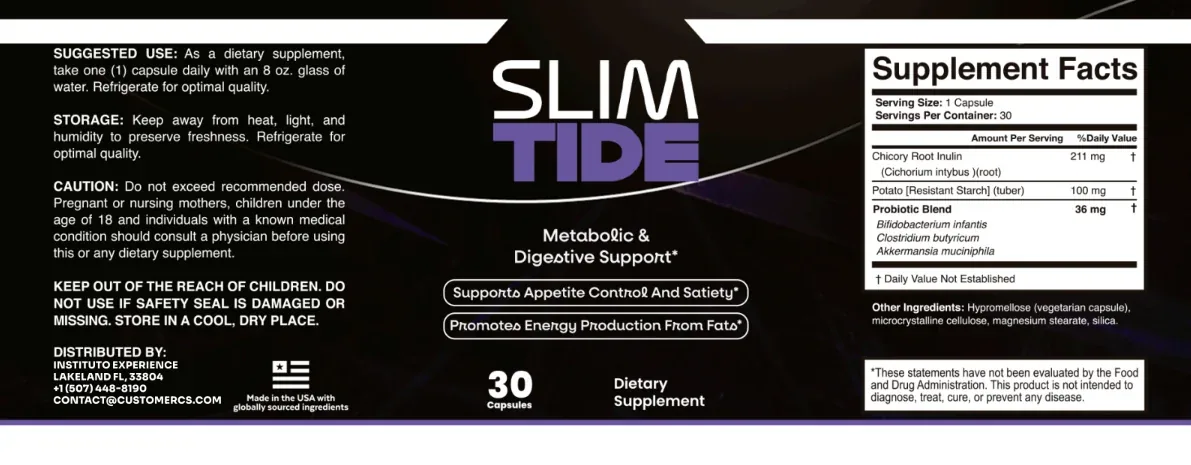
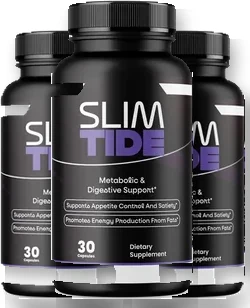
SlimTide is stimulant-free by design: chicory root inulin and potato resistant starch with three live strains, every amount printed on the label rather than buried in a blend. The official store carries the current panel, the full ingredient disclosure and the money-back guarantee.
See the official storeDrug interactions: the risk people underestimate
If there is one section to read twice, it is this one. Digestive upset is annoying; a drug interaction can be dangerous, and it is invisible until it is not. "Natural" does not mean inert — plenty of botanical ingredients are pharmacologically active, which is the whole reason they are in the bottle. That activity is also what lets them interfere with medicines.
Berberine is the classic example, and a popular one, which is why it is worth naming specifically. It can influence the CYP3A4 and CYP2D6 enzyme systems in the liver that metabolise a large share of common prescription drugs, which means it can raise or lower the effective level of those drugs in your blood. It can also add to the blood-sugar-lowering effect of diabetes medication, potentially pushing blood sugar too low. None of that makes berberine uniquely dangerous — we cover its upsides in our full berberine for weight loss guide — but it does make "just check with your doctor" a real instruction rather than a legal reflex.
The pattern generalises. Stimulants can compound the effect of blood-pressure and heart medicines. Fibre taken at the same moment as a pill can slow that pill's absorption, so fibre supplements are best spaced an hour or two away from medication. Anyone taking blood thinners, diabetes drugs, thyroid medicine or heart medication should treat a conversation with a pharmacist as part of the purchase, not an optional extra.
The safest supplement in the world becomes unsafe the moment it collides with the wrong prescription. Ten minutes with a pharmacist is the cheapest insurance in this entire category.

How to choose a low-risk weight loss supplement
Risk is not evenly distributed across the shelf, and a few habits move you decisively toward the safer end of it. None of them require expertise — just a willingness to read the back of the box instead of the front.
- Avoid proprietary blends. A blend that lists only a combined milligram total is telling you it does not want you to know the dose of anything. You cannot assess a side-effect risk you cannot see. Prefer a label that prints an individual amount next to every named ingredient.
- Prefer stimulant-free. Removing stimulants deletes an entire category of cardiovascular and sleep side effects in one move. If a product needs caffeine to feel like it is doing something, ask what the rest of it is contributing.
- Start with a low dose. Most digestive side effects are dose-dependent and time-limited. Beginning at half or a quarter of the label rate for the first week lets your gut adapt and turns a rough fortnight into a smooth one.
- Check for third-party manufacturing standards. A product made in a GMP-certified facility has at least cleared a bar for consistency and contamination control, which is a real, if modest, safety signal.
- Match the formula to your history. Sensitive stomach, on medication, heart condition, poor sleep — each of these points you toward a gentle, disclosed, stimulant-free formula and away from the aggressive fat-burner category.
This is the reasoning behind the fibre-first approach we cover across the site, and it is why we keep pointing readers toward a natural appetite suppressant that actually works rather than the stimulant fat-burners that fill the top of most search results. A formula built from chicory inulin, resistant starch and named probiotic strains has a short, predictable side-effect list precisely because there is nothing hidden in it.
The myth of "natural means no side effects"
The most expensive belief in this whole market is that a natural label is a safety guarantee. It is not, and treating it as one is how people get caught out. Nightshade is natural. So is grapefruit, which interacts with dozens of medications. Natural simply means the ingredient came from a plant or a mineral rather than a lab, and plenty of plant compounds are potent enough to matter. The right question is never "is it natural?" but "what does this specific ingredient do, at this specific dose, in a body taking these specific medicines?"
The flip side is equally true: some of the most-hyped products are the least transparent, hiding aggressive stimulant doses behind wholesome-sounding blend names. Honesty runs the other way from marketing volume. A quiet formula that prints every amount and skips the stimulants is usually the lower-risk choice, even though it makes a far less exciting advertisement. If you want the fuller comparison of what actually earns a place in a cabinet, our roundup of the best weight loss pills for 2026 applies these same safety filters product by product.
When a side effect means stop
Most digestive grumbling is a settle-in phase, not an alarm. But a few signals mean stop the product and, if they are severe, seek medical help rather than waiting it out: chest pain or a persistently pounding or irregular heartbeat, severe or worsening abdominal pain, signs of an allergic reaction such as swelling or difficulty breathing, or any symptom that is getting worse rather than better over days. These are not "push through it" situations. A supplement is meant to sit quietly in the background of a healthy routine, and anything demanding this much of your attention has failed at that job. Discontinue it, and treat a dramatic reaction as the medical event it is.
Common questions
What are the most common weight loss supplement side effects?
The most common issues are digestive: bloating, gas, loose stools or mild cramping, especially with fibre and mineral-based products in the first two weeks. Stimulant formulas add a second cluster of jitteriness, a racing or pounding heart, raised blood pressure, anxiety and disrupted sleep. Less obvious but more serious are interactions with prescription medicines. Most digestive effects ease as your body adjusts or with a lower starting dose, while stimulant effects are a sign to reconsider the product.
Can weight loss supplements interact with medications?
Yes, and this is the risk people underestimate most. Berberine can affect the CYP3A4 and CYP2D6 enzymes that clear many common drugs, potentially changing their levels in the blood, and it can add to the effect of diabetes medicines. Stimulants can compound blood-pressure and heart medicines. Fibre can slow the absorption of some drugs if taken at the same time. Anyone on prescription medication should check with a doctor or pharmacist before starting any weight loss supplement.
Are stimulant-free weight loss supplements safer?
Generally they carry a lower risk profile, because they remove the whole category of cardiovascular and nervous-system side effects that stimulants create, such as raised heart rate, elevated blood pressure, anxiety and insomnia. A fibre and probiotic formula tends to produce only mild, temporary digestive effects instead. Stimulant-free is not the same as risk-free, though. Any supplement can interact with medication or disagree with an individual, so reading the label and checking with a professional still applies.
Who should avoid taking weight loss supplements?
Anyone who is pregnant or breastfeeding, under 18, or managing a heart condition, high blood pressure, diabetes, kidney or liver disease should avoid them or use them only with medical clearance. People taking prescription medication, especially blood thinners, diabetes drugs or heart medicines, should check for interactions first. If you have a history of disordered eating, appetite-focused products can do more harm than good. When in doubt, speak to your doctor before starting anything.
Related reading
References
- NIH Office of Dietary Supplements — Dietary supplements for weight loss
- NCCIH (NIH) — Dietary and herbal supplements: safety and interactions
- U.S. FDA — Questions and answers on dietary supplements
- PubMed — Berberine and CYP3A4/CYP2D6 drug interactions
- Harvard T.H. Chan School of Public Health — Fibre and digestion
General information, not medical advice. These statements have not been evaluated by the Food and Drug Administration, and no dietary supplement is intended to diagnose, treat, cure or prevent any disease. Speak to a qualified healthcare professional before starting any supplement, especially if you are pregnant, nursing, taking medication or managing a health condition.
See the official SlimTide store
Affiliate link. Slimtidea Fibre Journal earns a commission on purchases made through it, at no extra cost to you. We are not the manufacturer.