Natural Appetite Suppressants That Actually Work
Quick Answer: Which Natural Appetite Suppressant Works?
A natural appetite suppressant works best when it is a viscous or fermentable fibre — glucomannan, inulin, resistant starch or oat beta-glucan — taken with water before meals. These form a gel or feed gut microbes that raise fullness signals. The effect is real but modest, so treat it as a diet aid, not a hunger switch.
- Fibre leads the evidence — soluble and fermentable fibres reliably increase fullness in trials.
- Water is not optional — bulk-forming fibre needs a full glass to work and to be taken safely.
- Expect modest help — natural options assist a calorie deficit, they are not GLP-1 medicines.

If you have ever finished a meal and felt hungry again an hour later, you already understand the appeal of an appetite suppressant. A natural appetite suppressant promises to take the edge off that hunger without stimulants or prescriptions, and roughly 27,100 people a month search for exactly that, with another 74,000 a month looking for appetite suppressants more generally. The good news is that some natural options genuinely work. The honest news is that they work gently, through fullness rather than force, and only ever as a partner to a sensible diet. This guide separates the fibres and botanicals that have human evidence from the ones that ride on marketing, and explains where a fibre-first product like SlimTide fits.
Nothing here diagnoses, treats, cures or prevents any condition. The aim is realistic hunger control, and realistic is the operative word: even the best natural appetite suppressant makes a calorie-controlled plate easier to eat rather than making calories disappear.
How a natural appetite suppressant actually works
Appetite is not a single dial. It is the sum of stomach stretch, the speed at which your stomach empties, blood-sugar swings, and a cascade of gut hormones that tell your brain you have eaten enough. Natural suppressants work by nudging those levers, and the most reliable lever is fibre. Viscous soluble fibres absorb water and form a gel that physically fills the stomach and slows how fast it empties, so the "I am full" signal arrives sooner and lasts longer. Fermentable fibres go a step further down the tract, where gut microbes ferment them into short-chain fatty acids that are linked to the release of satiety-related hormones.
This is why the same advice keeps coming back to fibre and water. Without enough water, bulk-forming fibre cannot form its gel and cannot do its job. With it, the effect is measurable within a single meal. The other levers — protein at each meal, slower eating, better sleep — all pull in the same direction, which is why the strongest results come from stacking a supplement on top of good habits rather than expecting it to replace them.
The natural appetite suppressants with real evidence
Not every "natural" ingredient earns its reputation. Here are the ones with genuine human data, ranked roughly by how well they hold up, alongside the honest caveats.
| Ingredient | How it curbs hunger | Evidence in people | The honest caveat |
|---|---|---|---|
| Glucomannan (konjac fibre) | Forms a thick gel, expands in the stomach | Some trials show increased fullness | Must be taken with plenty of water; modest effect |
| Inulin (chicory root) | Fermentable fibre; feeds satiety-signalling microbes | Trials link it to reduced hunger | Can cause gas until your gut adjusts |
| Resistant starch | Fermented in the colon; steadies blood sugar | Promising for fullness and appetite | Effect builds slowly over weeks |
| Oat beta-glucan | Viscous fibre; slows gastric emptying | Well studied for fullness and blood sugar | Needs a meaningful dose to matter |
| Fenugreek fibre | Soluble fibre; may slow digestion | Mixed, generally small studies | Evidence thinner than the marketing suggests |
| Green tea extract | Caffeine and catechins; mild thermogenic | Small, short-lived appetite effect | Stimulant load; not for the caffeine-sensitive |
| Caralluma fimbriata | Cactus-family botanical | A 60-day RCT showed reduced waist circumference | Single findings; needs replication |
Notice the pattern: the top of the list is fibre, and the effects are described as "increased fullness," not "melted fat." That is the honest ceiling of this category. A natural appetite suppressant changes how hungry you feel, and how hungry you feel changes how much you eat — but only if you let it, and only alongside a plan.
Which foods and fibres do this without a supplement
Before any capsule, the cheapest appetite suppressant is your plate. The most filling meals are high in water, high in fibre and high in protein for their calories, which is why a bowl of vegetables, beans and a lean protein leaves you satisfied on far fewer calories than the same energy in refined snacks. Chicory root, slightly cooled cooked potato and cooked-then-cooled rice add fermentable fibres such as inulin and resistant starch, the same compounds that appear in the best supplements. Oats deliver beta-glucan; fruit eaten with the skin on delivers soluble fibre and water together. A supplement is best understood as a way to top up fibre you are struggling to reach through food, not a replacement for it. Our companion piece on diet supplements that curb cravings goes deeper into stacking food and supplements for the same goal.
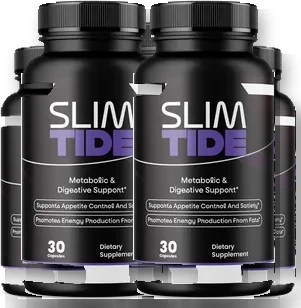
Want the fibre route in one daily capsule?
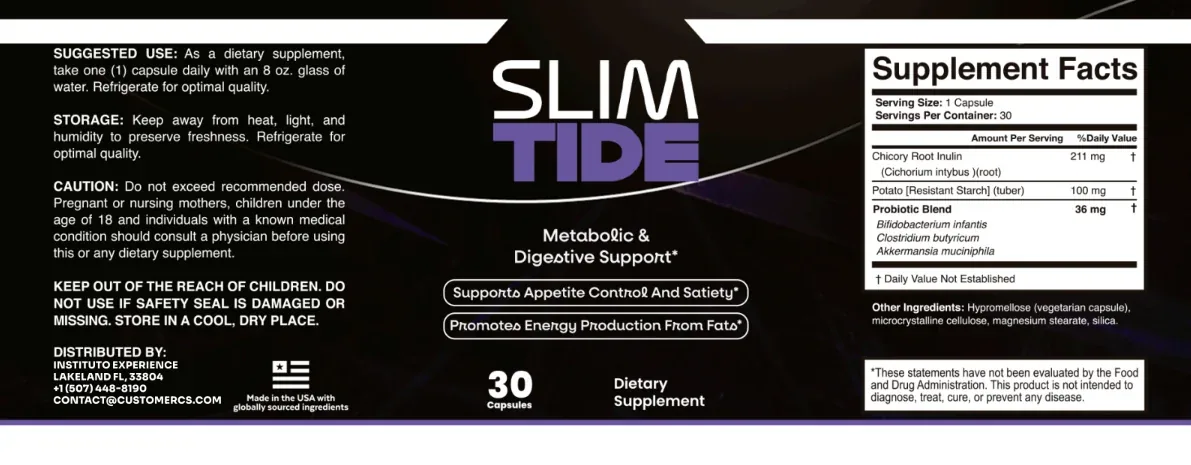
SlimTide pairs chicory root inulin and potato resistant starch — two of the best-evidenced fermentable fibres for fullness — with three live strains, each printed at its own dose. If topping up fibre through food is proving hard, the official store carries the current panel, the guarantee terms and the genuine product.
See the official storeHow SlimTide uses fibre for hunger control
SlimTide sits deliberately in the fibre lane rather than the stimulant lane. Its core is chicory root inulin and potato resistant starch — two fermentable fibres that appear near the top of the evidence table above — combined with three live strains intended to support the gut microbes that ferment those fibres. The mechanism is the one this whole article keeps returning to: draw in water, slow gastric emptying, and feed the microbial population that releases satiety-related signals, so the calorie-controlled plate you already planned is easier to actually eat.
What it is not is a hunger switch. This journal has never claimed a fibre capsule matches a prescription GLP-1 medicine, and it does not here. The value is in the honesty of the formulation: each fibre and strain is listed with its own amount, so you can hold it up against the research rather than trusting a blend. If you want the mechanism explained end to end, our explainer on how appetite suppressants work walks through the gut-hormone side, and for the wider comparison our roundup of the best weight loss pills of 2026 puts fibre next to every other category.
Three myths about natural appetite suppressants
Myth one: natural means powerful. The word natural describes origin, not strength. Fibre is natural and its appetite effect is real, but it is measured in a modest reduction of how much you eat, not in dramatic hunger elimination. Anyone selling a natural suppressant as a match for prescription medicine is overselling.
Myth two: more is better. Doubling a fibre dose does not double the fullness; it mostly doubles the bloating while your gut catches up. The right approach is to start low, take it with plenty of water, and build up over a couple of weeks. That single habit prevents most of the digestive complaints people blame on the product.
Myth three: it works without a plan. A suppressant that makes you less hungry only helps if the calories you skip are not simply eaten later. Feeling fuller is an opportunity, not a result. Paired with a calorie-controlled diet and regular movement it earns its place; used as a licence to ignore both, it does nothing but lighten your wallet.
How to use a natural appetite suppressant safely
The safety rules for fibre-based suppressants are short and worth following. Always take bulk-forming fibres such as glucomannan with a full glass of water, and never dry, because they swell and can be a choking hazard taken without enough liquid. Start at a lower dose and increase over a week or two to let your gut adjust, which keeps the gas and bloating that come with more fermentable fibre to a minimum. Separate fibre supplements from medication by a couple of hours, since fibre can slow the absorption of some drugs. And if you are pregnant, nursing, taking medication or managing a health condition, check the ingredient list with a doctor or pharmacist first. For a fuller picture of what can go wrong and how to avoid it, our guide to common weight loss supplement side effects is the sensible next stop.
The bottom line
Natural appetite suppressants that actually work almost all come back to fibre — viscous or fermentable, taken with water, built up gradually. The effect is genuine and useful, but modest, and it only translates into results when it rides on top of a calorie-controlled diet and regular activity rather than replacing them. A transparent, fibre-first product is the honest way into this category, and SlimTide is built to be exactly that. Set your expectations at "easier to eat less," give it a real trial of eight to twelve weeks, and let your plate and your habits do the rest.
Common questions
What is the strongest natural appetite suppressant?
Among natural options, viscous soluble fibres are the best-supported for reducing hunger, and glucomannan is often singled out because it forms a particularly thick gel that expands in the stomach and slows digestion. Fermentable fibres such as inulin and resistant starch also increase fullness by feeding gut microbes that release satiety-related signals. That said, strongest is a relative word here: even the best natural appetite suppressant produces a modest, gentle effect, not the powerful appetite regulation of a prescription GLP-1 medicine. Use it to make a sensible diet easier to keep, not to override hunger entirely.
Which foods and fibers reduce hunger naturally?
The most filling foods share three features: they are high in water, high in fibre, and high in protein relative to their calories. Vegetables, fruit with the skin on, beans and lentils, oats, and whole grains all deliver soluble fibre that slows digestion and steadies blood sugar. Chicory root and slightly cooled cooked potato or rice add fermentable fibres such as inulin and resistant starch. Protein at each meal blunts hunger further. A supplement can top up fibre intake, but wholefood fibre eaten with plenty of water is the foundation everything else sits on.
Do natural appetite suppressants have side effects?
Yes, though for fibre-based options they are usually mild and temporary. As your gut adjusts to more fermentable fibre you may notice bloating, gas or looser stools, which typically settle if you start with a lower dose and build up over a couple of weeks while drinking enough water. Bulk-forming fibres such as glucomannan must always be taken with a full glass of water, because taken dry they can swell in the throat. Stimulant-based products like high-dose green tea extract carry different risks, including jitteriness and sleep disruption, so read what is actually in the product.
How fast do natural hunger suppressants work?
The fullness effect of viscous fibre can be felt within a single meal, because the gel forms in the stomach and slows how quickly it empties, so taking it shortly before eating with water is when you notice it most. The knock-on effect on body weight is far slower and far smaller, and only appears over weeks alongside a calorie-controlled diet. Fermentable fibres that work through the gut microbiome build their effect gradually as the microbial population adjusts. Give any natural appetite suppressant a fair eight-to-twelve-week trial before judging whether it is worth keeping.
Related reading
References
General information, not medical advice. These statements have not been evaluated by the Food and Drug Administration, and no dietary supplement is intended to diagnose, treat, cure or prevent any disease. Take bulk-forming fibre with plenty of water. Speak to a qualified healthcare professional before starting any supplement, especially if you are pregnant, nursing, taking medication or managing a health condition.
See the official SlimTide store
Affiliate link. Slimtidea Fibre Journal earns a commission on purchases made through it, at no extra cost to you. We are not the manufacturer.