Prescription Weight Loss Medication vs Natural Supplements, Compared
Prescription vs natural weight loss: which should you choose?
Prescription weight loss medication, especially GLP-1 drugs, delivers far larger results — roughly 14 to 17 percent of body weight in trials — but needs a script, costs more and carries side effects. Natural supplements are gentler, cheaper and easier to access, supporting appetite rather than replacing medicine. They are different tools for different situations.
- Prescription wins on scale — nothing natural matches GLP-1 results, and pretending otherwise is dishonest.
- Natural wins on access and cost — no doctor, far cheaper, no injections, gentler on the body.
- Always involve a doctor — for medication decisions, eligibility and any switch between the two.

The choice between prescription weight loss medication and natural supplements has never been sharper. On one side sit the GLP-1 drugs that have dominated headlines and clinics; on the other, the shelves of fibre capsules, thermogenics and appetite aids that promise a gentler path. Search interest in prescription weight loss medication now runs to tens of thousands of queries a month, and much of it comes down to one honest question: is the prescription worth it, or can a natural option do enough? This comparison lays both sides out fairly — results, cost, access and side effects — without pretending they are the same thing.
We publish a fibre journal, so our instinct is to talk up the natural side. We are going to resist it where the evidence says otherwise, because a comparison that flatters the cheaper option is not a comparison, it is an advertisement. The medication wins on some axes decisively. What follows is where each one genuinely earns its place.
What prescription weight loss medication actually delivers
The reason GLP-1 drugs such as semaglutide and tirzepatide have reshaped the field is simple: the numbers are large. In clinical trials, average weight loss lands in the region of fourteen to seventeen percent of body weight, and in some tirzepatide trials higher still — figures no supplement has ever approached. These medicines mimic or amplify a gut hormone that regulates appetite and slows stomach emptying, which is why people on them describe hunger simply quieting down. Older prescription options such as phentermine work differently, as short-term appetite suppressants, with a longer track record and a narrower use case.
That efficacy is the headline, and it is real. But a medication is a package, not a single number, and the rest of the package is where the decision actually gets made. A prescription means a doctor's assessment and eligibility criteria, usually tied to body-mass index or weight-related health conditions. It means ongoing use rather than a short course, because appetite and weight tend to rebound when the drug stops. And it means a defined side-effect profile: nausea, digestive upset and other effects that lead a meaningful minority to discontinue. None of that makes the drugs a bad choice — for many people they are the right one — but it does mean the fourteen-to-seventeen percent comes with strings.
What natural supplements actually deliver
Natural weight-loss supplements operate in a different weight class, and honesty starts with admitting that. A fibre-based appetite product does not touch the GLP-1 hormone system or produce trial-grade double-digit losses. What it can do is support the behavioural side of eating — making portions feel more satisfying, taking some of the pull out of snacking — so that a calorie-aware diet becomes easier to sustain. The effect is modest and gradual, and it depends heavily on what you eat and how you move alongside it.
That modesty is not a flaw so much as a trade. In exchange for smaller results, natural options offer things the prescription route cannot: no doctor's appointment, no eligibility gate, no injection, a fraction of the cost, and a gentler physical experience. For a large number of people — those who do not meet prescription criteria, cannot afford ongoing medication, or simply want to start with the lightest-touch option — that trade is exactly the one they want to make. The mistake is only ever in confusing the two. If you want the full picture of what works without a script, our guide to over-the-counter weight loss pills that actually work sorts the honest categories from the hype.

Prescription vs natural: the side-by-side
Reduced to the axes that actually drive the decision, the comparison looks like this. Read it as a set of trade-offs, not a scoreboard, because the right answer changes with your situation.
| Factor | Prescription medication | Natural supplement |
|---|---|---|
| Typical results | Large; around 14–17% of body weight for GLP-1s in trials | Modest; supports appetite and portion control, results vary |
| Access | Doctor assessment and eligibility required | Buy directly, no prescription |
| Cost | Often several hundred to $1,000+ per month without coverage | A fraction of the price, typically per-bottle |
| Speed | Noticeable appetite change within weeks | Gradual; a fair trial runs 8–12 weeks |
| Side effects | Nausea, digestive upset; some discontinue | Usually mild, e.g. temporary bloating with fibre; no stimulants in some |
| Supervision | Ongoing medical oversight | Self-directed; still worth asking a pharmacist |
| Duration | Typically ongoing; weight can rebound if stopped | Flexible; used as long as it helps |
The cleanest way to hold both facts at once: prescription medication is the more powerful tool, and a natural supplement is the more accessible one. Power and accessibility are different questions, and your circumstances decide which matters more today.
Want a gentle, natural place to begin?
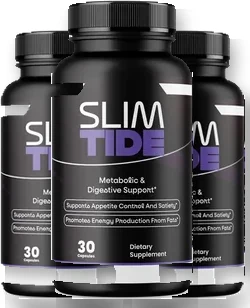
If you are not ready for — or do not qualify for — prescription medication, a fibre-first supplement is a low-risk first step. SlimTide pairs chicory root inulin and potato resistant starch with three named strains to support appetite control, with every ingredient dosed on the label and a 60-day money-back guarantee.
See the official SlimTide storeThe cost question, plainly
For many people the decision is settled less by biology than by the bank statement. Without insurance coverage, brand-name GLP-1 medications commonly run from several hundred dollars to over a thousand a month in the United States, and because treatment is typically ongoing, that is a recurring commitment rather than a one-off. Coverage varies enormously and many plans restrict eligibility, so a drug that is affordable for one person is out of reach for another with the same body and the same goal.
Natural supplements sit at the opposite end. A month of a fibre-based product is a small fraction of a month of medication, and there is no eligibility gate to clear. That gap is one of the honest reasons the natural category exists at all: not because it works as well, but because it is there for the far larger group of people for whom a four-figure monthly prescription is simply not an option. Weighing that trade fairly means comparing modest-but-affordable against powerful-but-expensive, and being honest that both halves of each phrase are true.
Where a natural supplement like SlimTide fits
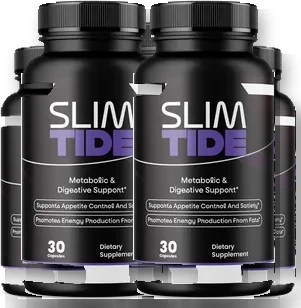
Given all of the above, a natural supplement is best understood as a starting point and a support, not a rival to medication. SlimTide is a fair example of the category done sensibly: a synbiotic that pairs two prebiotic fibres, chicory root inulin and potato resistant starch, with three named probiotic strains, taken as one stimulant-free capsule a day. Its mechanism is fullness and appetite support — the gentle, behavioural end of the spectrum — and it makes no claim to do what a GLP-1 does.
For someone deciding between the two routes, that positioning is genuinely useful. If you do not meet prescription criteria, cannot justify the cost, or simply want to try the lightest-touch option before considering medication, a transparent, individually dosed, guarantee-backed supplement is a rational first move. If you later pursue a prescription, you will have lost little in trying. And if a supplement is enough for your goals, you will have avoided the cost and oversight of a drug you did not need. To judge whether it holds up on its own terms, our detailed SlimTide review of whether it really works covers the ingredients, realistic results and the people it does not suit.
One firm line, because it matters: never treat a supplement as a way to quit a prescription on your own. Appetite and weight can rebound sharply when GLP-1 drugs are stopped, and any transition belongs in the hands of the prescribing doctor. A supplement can, with a doctor's knowledge, support appetite during or after a supervised change — but as an adjunct, never as a self-directed swap.
How to actually decide
Strip it back to a few honest questions and the choice usually resolves itself.
- How much do you need to lose, and how fast? Larger, medically relevant goals point toward a conversation about prescription medication. Modest goals are well within reach of diet plus supportive tools.
- What can you sustain financially? An ongoing four-figure monthly cost is a real constraint, and there is no shame in letting it steer you toward the affordable option.
- Do you qualify, and are you comfortable with medical oversight? Prescription routes require both eligibility and ongoing supervision, which suit some people and not others.
- How is your tolerance for side effects? If nausea would derail you, the gentler physical experience of a fibre product may matter more than raw efficacy.
- Have you built the base first? Diet, movement and sleep do the quiet work under either option. Neither a drug nor a capsule replaces them.
Whatever you conclude, the single most important step is the same on both paths: talk to a doctor before starting prescription medication, and to a pharmacist or doctor before adding a supplement if you take anything regularly. The comparison is real, but it is not a substitute for advice tailored to you.
Related reading

Berberine for weight loss: a complete guide
What the “nature's Ozempic” label gets right and wrong, and the real evidence.
Over-the-counter weight loss pills that actually work
The three categories that do something, and the safety flags to avoid.
The best weight loss pills of 2026, ranked and reviewed
How this year's most-searched diet pills compare on evidence, dosing and value.

How appetite suppressants actually work
From gut hormones to viscous fibre, the real mechanisms behind feeling full.
Common questions
Are natural weight loss supplements as good as prescription pills?
No. Prescription weight loss medication, especially GLP-1 drugs, produces far larger average losses in clinical trials than any natural supplement, in the region of 14 to 17 percent of body weight versus the modest support a supplement provides. Natural supplements are gentler, cheaper and easier to access, and they can help with appetite and portion control, but they are not equivalent to medication. The honest framing is that they play different roles, not that one is a substitute for the other.
What is the difference between OTC and prescription weight loss drugs?
Prescription weight loss drugs require a doctor's assessment, are approved after clinical trials for safety and efficacy, and act on strong biological pathways such as the GLP-1 hormone system. Over-the-counter options are mostly dietary supplements sold without pre-market approval, working through gentler mechanisms like fibre-based fullness or a mild metabolic nudge. Prescription drugs deliver more but come with medical oversight, higher cost and a defined side-effect profile; OTC products are more accessible and modest by design.
How much do prescription weight loss medications cost?
Without insurance coverage, brand-name GLP-1 medications commonly run several hundred to over a thousand dollars a month in the United States, and treatment is typically ongoing rather than a short course. Coverage varies widely and many plans restrict eligibility. That recurring cost is one of the main practical reasons people look at natural supplements, which are a fraction of the price, though they also deliver far less. Always confirm current pricing and coverage with a pharmacist or your insurer.
Can I switch from prescription drugs to a natural supplement?
Never stop or change a prescription medication on your own; that is a conversation to have with the prescribing doctor, because appetite and weight can rebound when GLP-1 drugs are stopped and the transition needs planning. Some people use a natural supplement such as SlimTide to support appetite and portion control during or after a medically supervised taper, but only as an adjunct their doctor is aware of, not as a do-it-yourself replacement for the medicine.
References
- NIDDK (NIH) — Prescription medications to treat overweight and obesity
- U.S. FDA — Consumer information on prescription weight-loss drugs
- NIH Office of Dietary Supplements — Dietary supplements for weight loss
- PubMed — GLP-1 medication weight-loss trials
- Harvard T.H. Chan School of Public Health — Fibre
General information, not medical advice. These statements have not been evaluated by the Food and Drug Administration, and no dietary supplement is intended to diagnose, treat, cure or prevent any disease. Prescription decisions and any change to medication must be made with a qualified healthcare professional. Weight loss depends on diet, activity and individual factors, and results vary. Speak to a doctor before starting any medication or supplement, especially if you are pregnant, nursing or managing a health condition.
See the official SlimTide store
Affiliate link. Slimtidea Fibre Journal earns a commission on purchases made through it, at no extra cost to you. We are not the manufacturer.